Easter Peeps and Mucilaginous Root Pulp

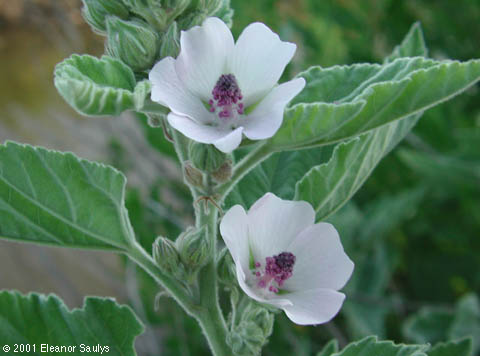
marsh mallow

Althaea officinalis (or Mother of All Peeps)

Ah, the glorious Easter baskets of yore, that would come to the rescue just as last year’s Halloween candy had dwindled to nothing but Bit O’ Honeys! Among the jellybeans and Cadbury eggs there was always at least one box of Peeps, those Technicolor chicken- and rabbit-shaped marshmallows. In my house, however, they were always destined to play second fiddle to the painstakingly nibbled chocolate rabbit and they usually ossified into little chick-shaped rocks before I got around to eating them. It wasn’t until adulthood that I began to understand the beauty of the Peep.

There are a lot of Peep haters out there, my husband among them, probably because they taste like nothing, really, beyond enamel-destroying sweet, but their origins are arguably the most noble of any Easter basket classic. While poking around on FoodTimeline.org, I noticed that marshmallows shared the same origin date, 2000 B.C., as apples. Yes, you read that correctly. Proto-peeps are as old as apples! (I’m not too clear, actually, if 2000 B.C. is the date of the first wild apple or merely the first time apples were cultivated by humans for food, but still…).

Marshmallows are called such because of the marsh mallow, a wild plant that ancient people ate in many forms. You can eat the flowers, you can eat the greens like lettuce or you can boil the roots to obtain a “mucilaginous substance.” This substance was used as a cough remedy, but there’s also evidence that as early as 2000 B.C., Egyptians were mixing the mallow mucous with honey to make a sweet confection, reserved for royalty and gods. So put that in your pipe and smoke it, you Peep haters. Continue reading
Making Your Own Beer, Step 1: Have a Beer

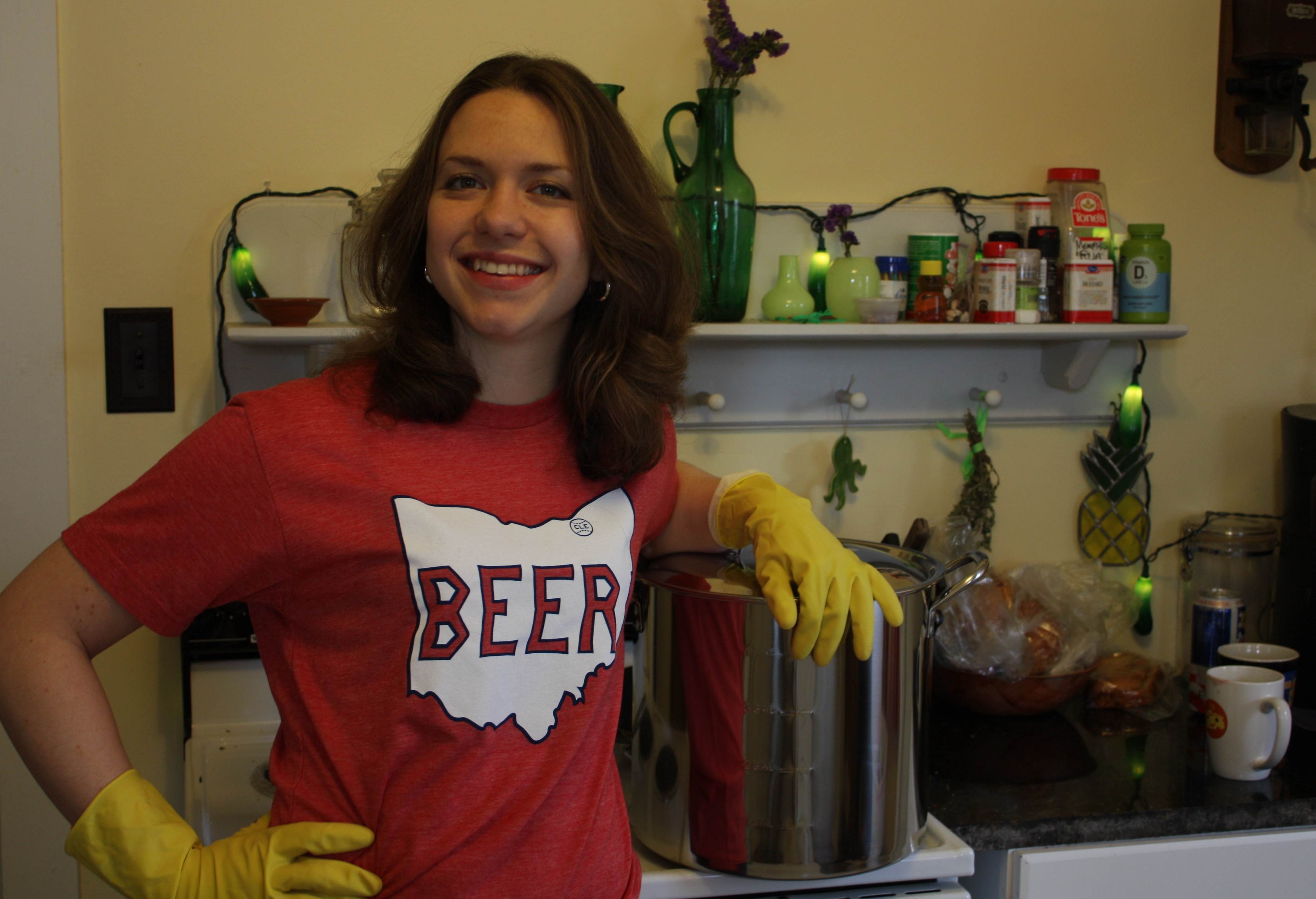
The gloves are on: no more messin' around

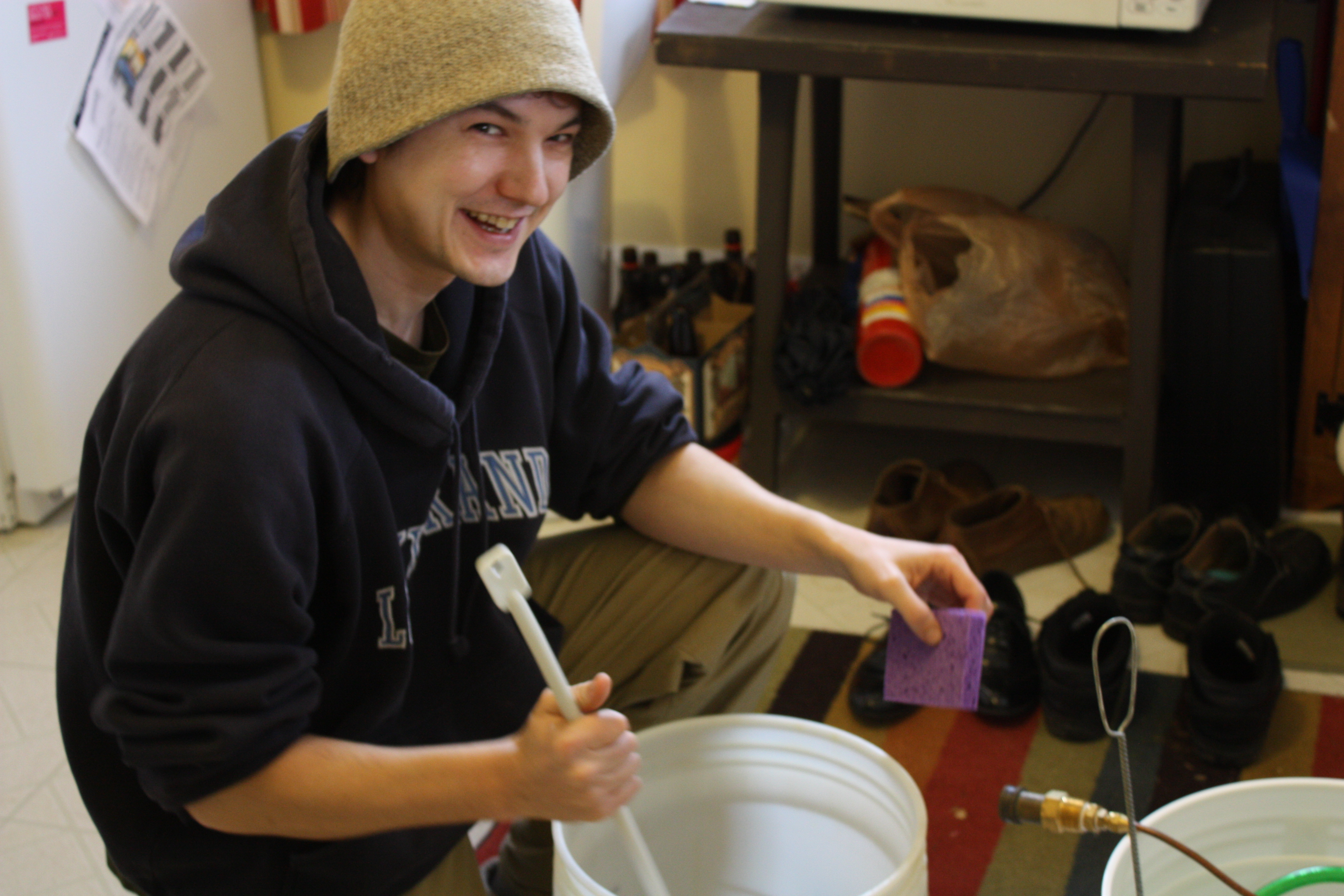
By far the most time consuming step of last Tuesday’s brewing process was the argument that took place before even pouring water into the pot. Nothing serious. Just a tap water vs. Brita-filtered water disagreement; a this-is-going-to-take-forever vs. it-will-taste-like-ass-otherwise spat; a so-you’re-too-good-for-city-water-now? vs. and-here-I-thought-you-were-a-real-brewer quarrel. Turns out it takes just as long for Ben and I to reach a draw as it does to pull five gallons of water through a filtered pitcher made for drinking water. Whatever.

Ben -- I call him The Sanitizer

The first, most important ingredients for any decent batch of home brew are the beer you will be drinking and the music you will be playing while cooking it up. We chose a classic craft beer: Dogfish Head 60 Minutes, and one of my favorite snowy-afternoon albums: Modest Mouse’s The Moon and Antarctica. During the approximately seven hours it took to watch five gallons fall drip by drip into the pitcher, we used a one-step sanitizer to clean everything that would come in contact with our future brew, including both of us up to the elbows and a good deal of my sweatshirt. By then it was time for another beer and The Kills’ Blood Pressures.

Stew of dirty socks and thermometer

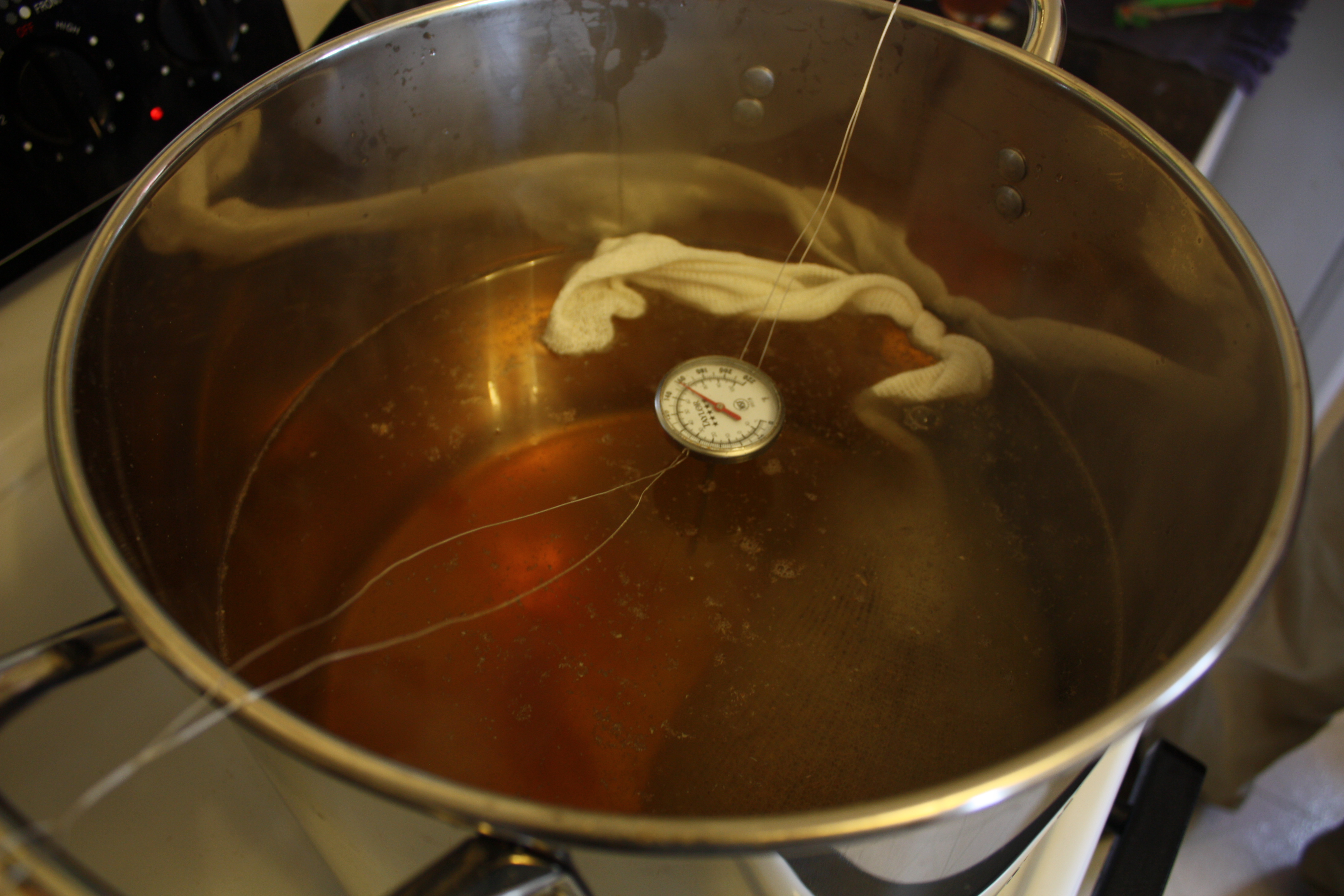
The first step in which something actually happens is when you heat the water to between 150 and 160 degrees and steep the grains. The difficult part of this is, of course, taking the temperature of the water. In our case, brewing is less of a science and more an engineering project. To save us from burning our hands, Ben rigged our thermometer on wire that he wound around both pot handles so it dangled in the middle of the hot water. Clever boy, this one. The barley grains are knotted into a bag made of cheese cloth-like material that is, when floating in an increasingly dark kettle of liquid, reminiscent of a soaking pair of dirty, balled-up socks.  Continue reading

Andrew Leahey’s Kale Banana Peanut Butter Smoothie

For Christmas, my brother and sister-in-law gave us a homemade cookbook entitled Rock N Eat.  We talk like this.  It’s part of our culture.

The first entry is for a kale banana peanut butter smoothie and it starts, “This is much better than it sounds.”

It is.

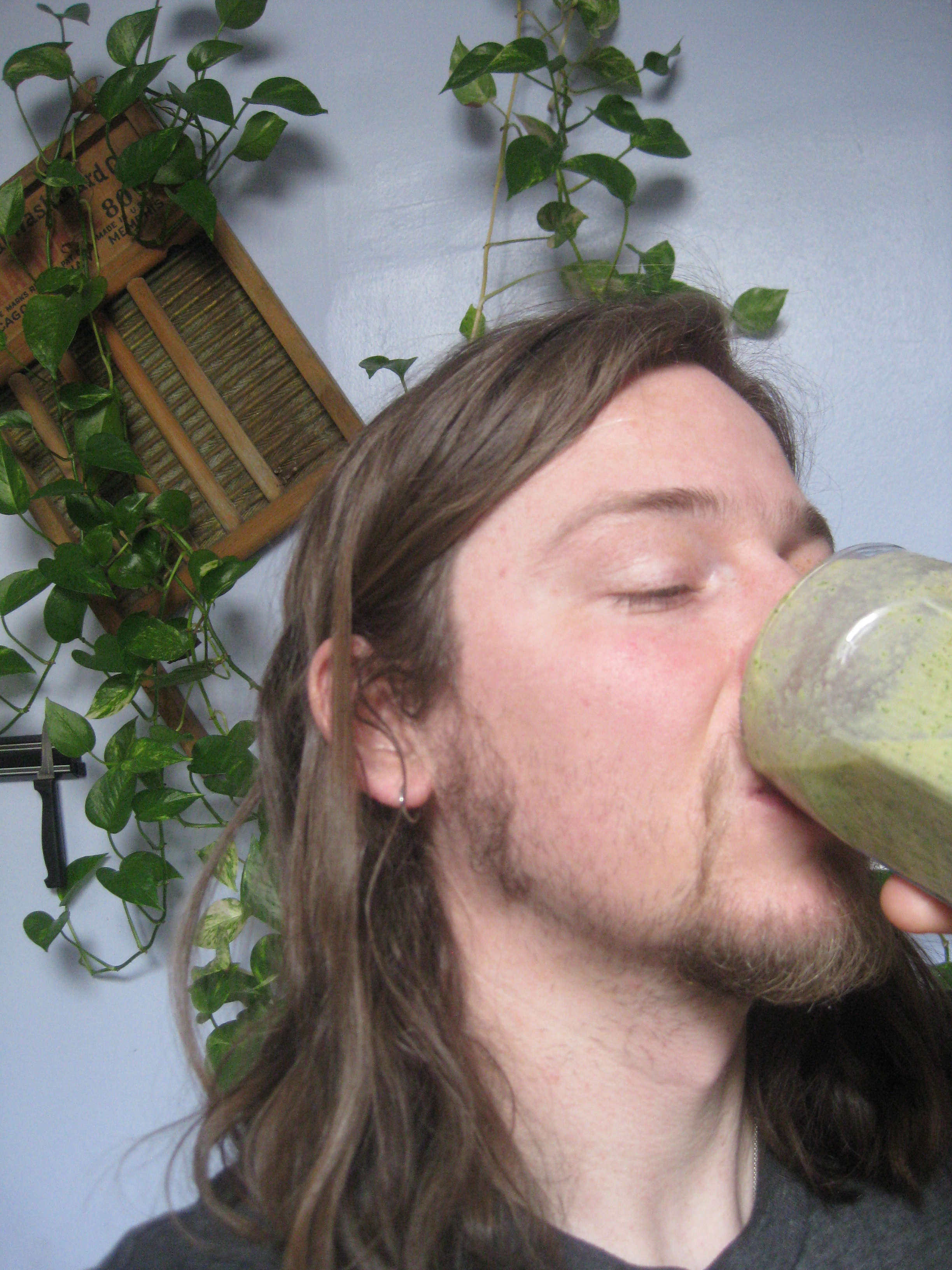
I mean, it’s shockingly tasty.  I like kale a lot, though I don’t think I’d be too psyched for a kale-flavored breakfast, and thankfully the kale taste is nowhere to be found in this smoothie.  It’s all banana and peanut butter goodness, reducing the kale’s presence to tiny flecks while bestowing all the nutrition of raw kale, which is, as Andrew writes, “pretty much the best thing you can put into your body.” Continue reading

Name that Jelly Belly

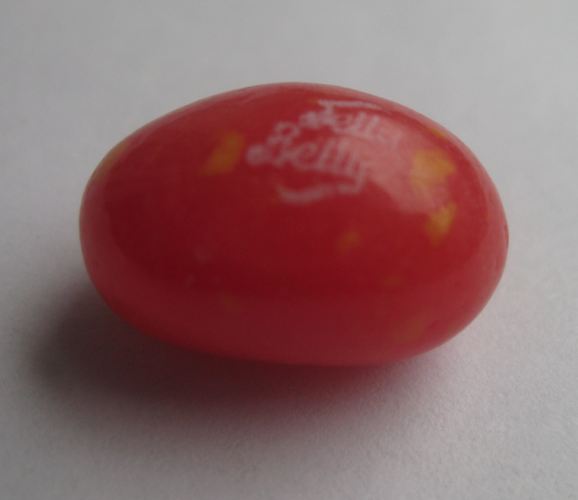
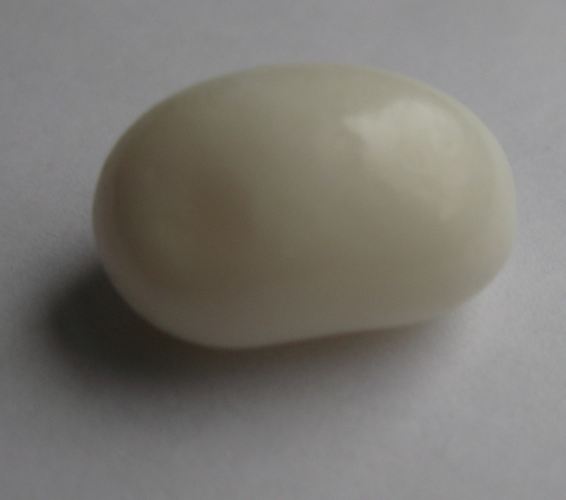
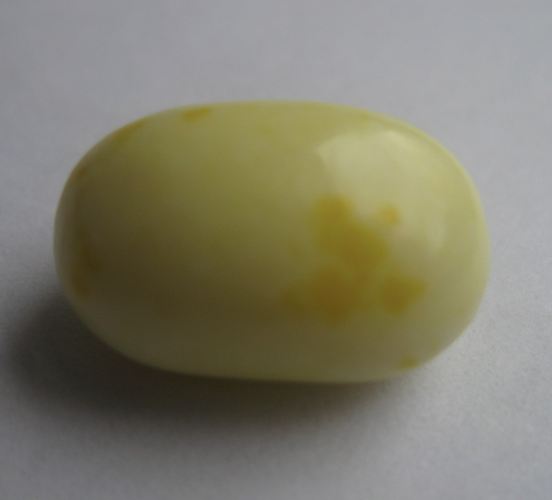
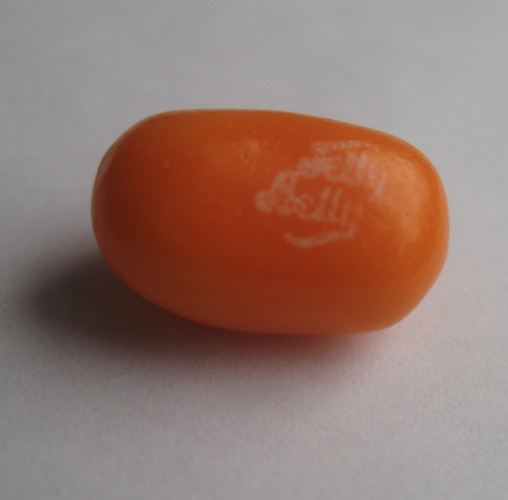
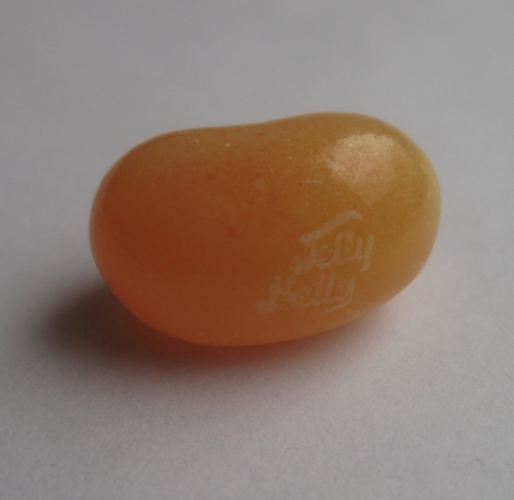
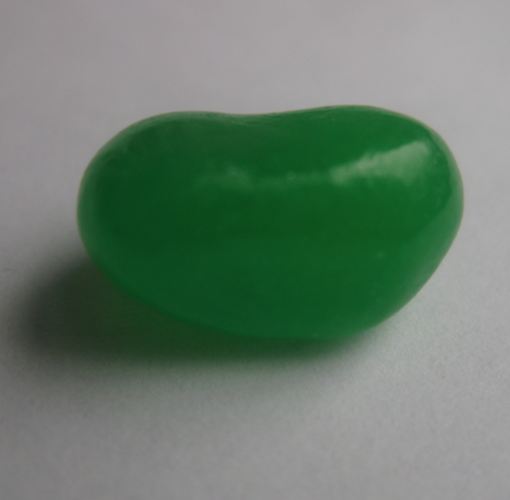
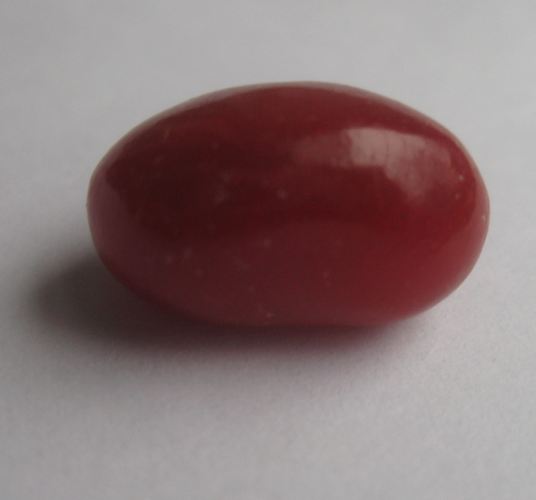
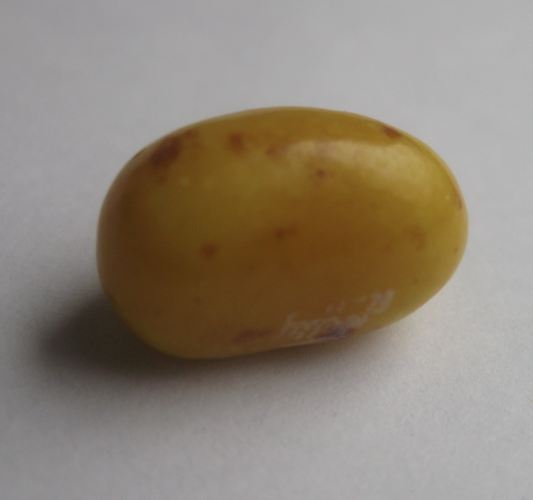
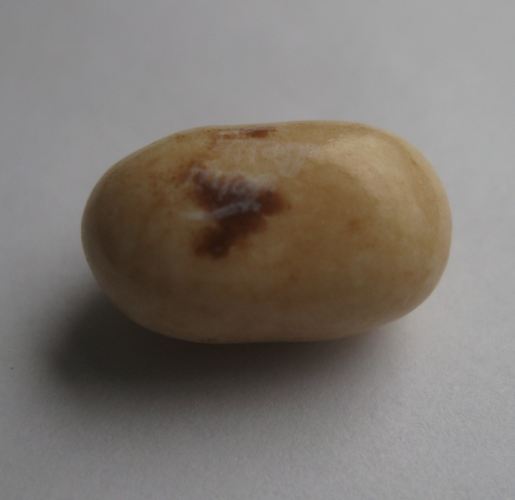
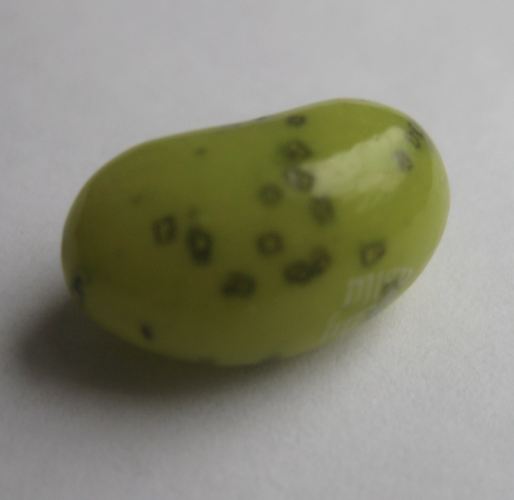
Though the snow is falling in New York today, Easter is nigh, and it’s time to brush up on your jellybean trivia before a giant rabbit invades your house to leave you candy. My personal favorites are Jelly Belly brand beans because they come in oh-so-many flavors. Anyone can distinguish between them by taste, but can you tell them apart by sight alone? See how many of these signature flavors you can guess. If you get ten or more Bellies right, consider yourself holiday-ready.

Note for serious Jelly Belly fans: These are all part of the classic 50 flavors, not the off-shoot mixes.

Don’t follow the link until you’re ready for the answers… Continue reading

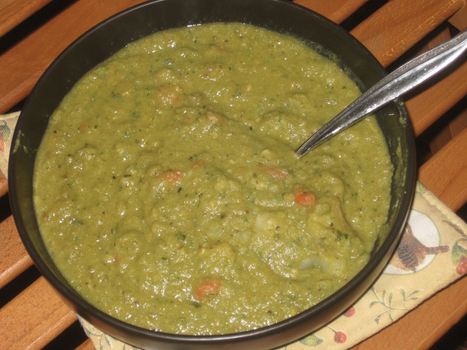
Post-St. Patrick’s Day Stewed Leprechaun

leprechuanEveryone indulges their mischievous and somewhat bawdy antics on St. Patrick’s Day, of course, but what is one to do with the surplus of leprechauns running around the house after the holiday? We have more than most—though I’m only about a third Irish on a good day, I have a name that makes me sounds as if I’m straight off the boat from County Cork, and the little devils just come flocking. To call them a nuisance would be an understatement: they harass the cats, they poop in the shower, they drink all the Scotch in the house out of spite. I think it will be a solid month before I can get the smell of pipe smoke out of the couch, and the red hair I keep finding on my pillow…let’s just say I’m not certain it’s from their heads.

Don’t get me wrong; it’s not that I find leprechaun slaughter an enjoyable task. (In fact, I prefer the term “leprechaun harvest” whenever possible.) But it’s important to remember that they’ve lived a good life, free to roam and tell dirty jokes wherever they like. And a little ether on a rag and then a quick whap against the edge of the sink is a process I find most humane.

Anyway, they make a first-rate soup. So come in out of the harsh March winds, sit down to a steaming bowlful and thank your lucky stars that St. Patty’s Day comes but once a year. For the recipe of what’s in the bowl, keep reading: Continue reading

The Asparagus Cometh: Asparagus Salad with Mustard Dressing

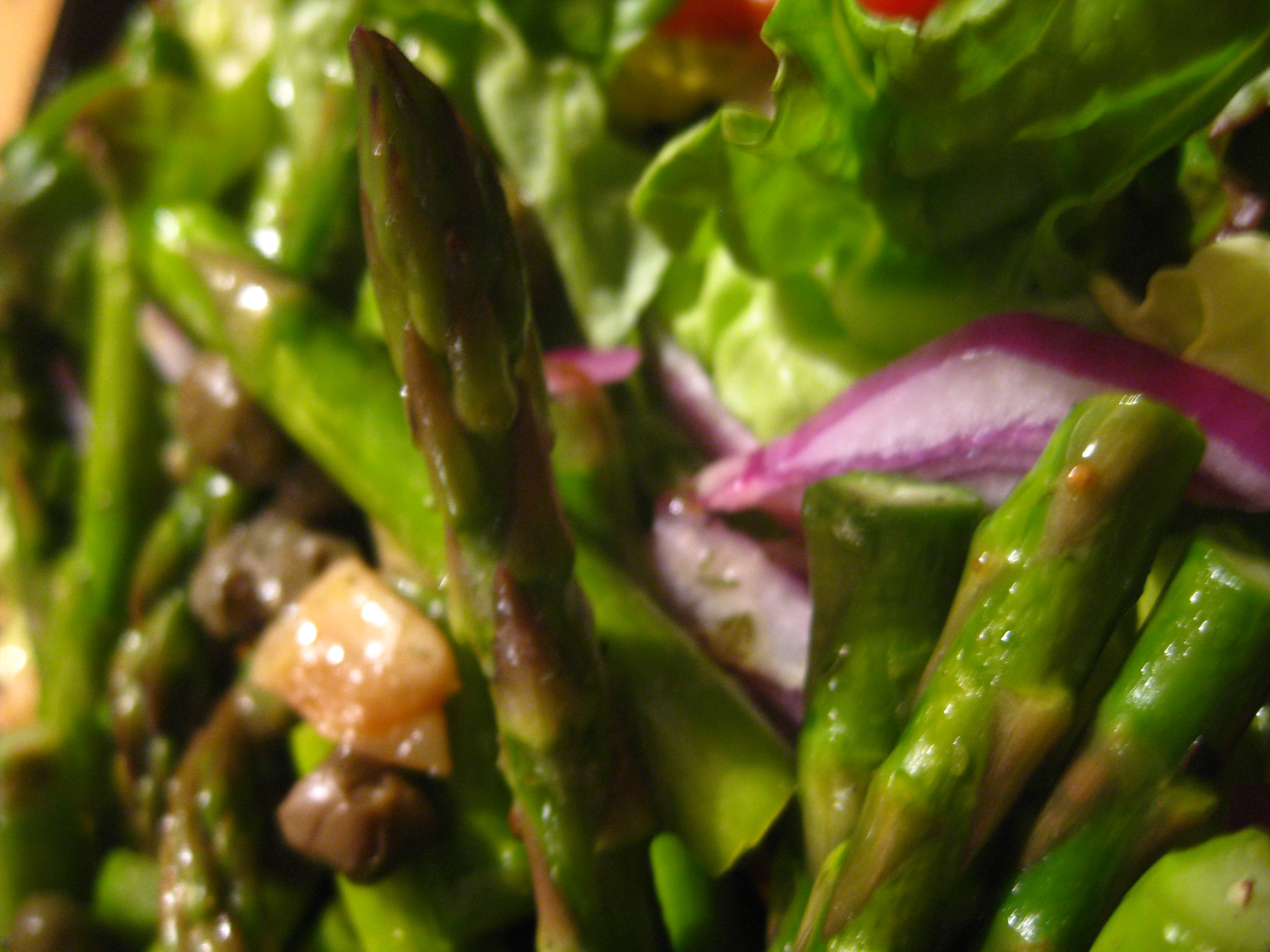
asparagus saladHark! What is that glimpse of green that is once again appearing in the produce aisle? It is asparagus, those elegantly slender and vibrant stalks, one of the first vegetal signs that spring is on its way.

“But, lo!” you are probably saying. “What’s with the pee thing?”

It has been noted by many trustworthy sources that asparagus has some unusual after-effects. In 1702, the author of Treatise of All Sorts of Food noticed that the stalks “cause a filthy and disagreeable smell in the urine.” Most who have experienced this phenomenon seem to agree with him about the off-putting nature of the smell, though Proust (always hell-bent on being an outlier) said that asparagus “transforms my chamber-pot into a flask of perfume.”

I would like nothing more, dear readers, than to offer my own opinion on this matter, but I just don’t smell it. (And before you offer, no, I do not want to smell your pee.) I always assumed that there was some difference in the way people processed this vegetable resulting in my unremarkable urine, but a groundbreaking study in 2010 opened up the possibility that I (along with about 78% of the population) might just lack the olfactory receptors necessary to detect the asparagus odor. (So even if I did consent to smell your pee, I might not be able to tell the difference.)

Regardless, I think this is a small price to pay for some delicious asparagus. To me, it tastes like a plate full of spring. Here’s an easy recipe to kick off your asparagus season: Continue reading

Dead Man Gnawing: The Nature of Beignets and the Precision of Vincent Drake (1st Century & 21st Century, A.D.)

If you read our last Grub Match, you will have noticed repeated references to one Vincent Drake.  Vince just might be the best cook I know (after my mom, obviously).  He definitely embraces a holistic definition of “gastronome” like none of my other friends.  He seems almost as focused on the proper process of making a dish as he is on the actual end result.  He actually uses a jigger to measure liquor.  I haven’t seen anyone do that since my grandfather died.

Though Vince also happens to be one of the kindest people I know, he did not hesitate in his secret bid to steal the Grub Match crown for himself by replacing PitchKnives’ typical bar-based final debate with a mega brunch.  That brunch included brioche French toast, and he ended up, after making four loaves, with enough leftover dough for probably two more.  Enter: beignets.

Brioche is a viennoiseries, the French term for baked goods that use choux pastry dough, dough that is yeast-based but that includes extra butter, eggs, etc.  Beignets are viennoiseries as well, and V simply decided to reclassify the brioche choux pastry as beignet choux pastry and go to town. Continue reading
The Black & Tans and What to Drink This Bloody Sunday

1920 Cork after the Black and Tans set it on fire; next from Yuengling, Gestapo Stout

St. Patrick’s Day is nigh. That green-hazed day on which we celebrate the historic moment when pilgrims sat down with leprechauns over soda bread and green beer. The Irish sprites taught the pilgrims to lust for gold and the pilgrims introduced the leprechauns to the ancient white man tradition of back-stabbing, later forcing them down the Rainbow of Tears.

Oh my. We all know that in truth we are actually celebrating the day Bono chased all the snakes out of Ireland! Eternally grateful, people around the world celebrate the day by getting drunk, kissing Irish wannabes, and wearing the traditional Irish shiny-shamrock-head-bobber-thingies.

And here is where I must be honest: though I am authentically Irish, though I wear a claddagh ring, have smiling Irish eyes, and really love me some potatoes, I do not actually enjoy the Irish beer available in the US.

BUT WHAT ABOUT GUINNESS?!?! they shout in disbelief. Okay, yeah; it’s a good beer and you look more suave drinking that than some piss-colored swill with the calorie count on the label. For me though, it was a gateway beer, a beer that bolstered my courage and allowed me to take the next step toward more flavorful, imaginative craft beers. Also, during lean times it was cheaper and more filling than a sandwich at lunch. Continue reading

Rollin’ the Recipe Dice: Lemon-Herb Vegetable Mélange and Easy Cactus Salad

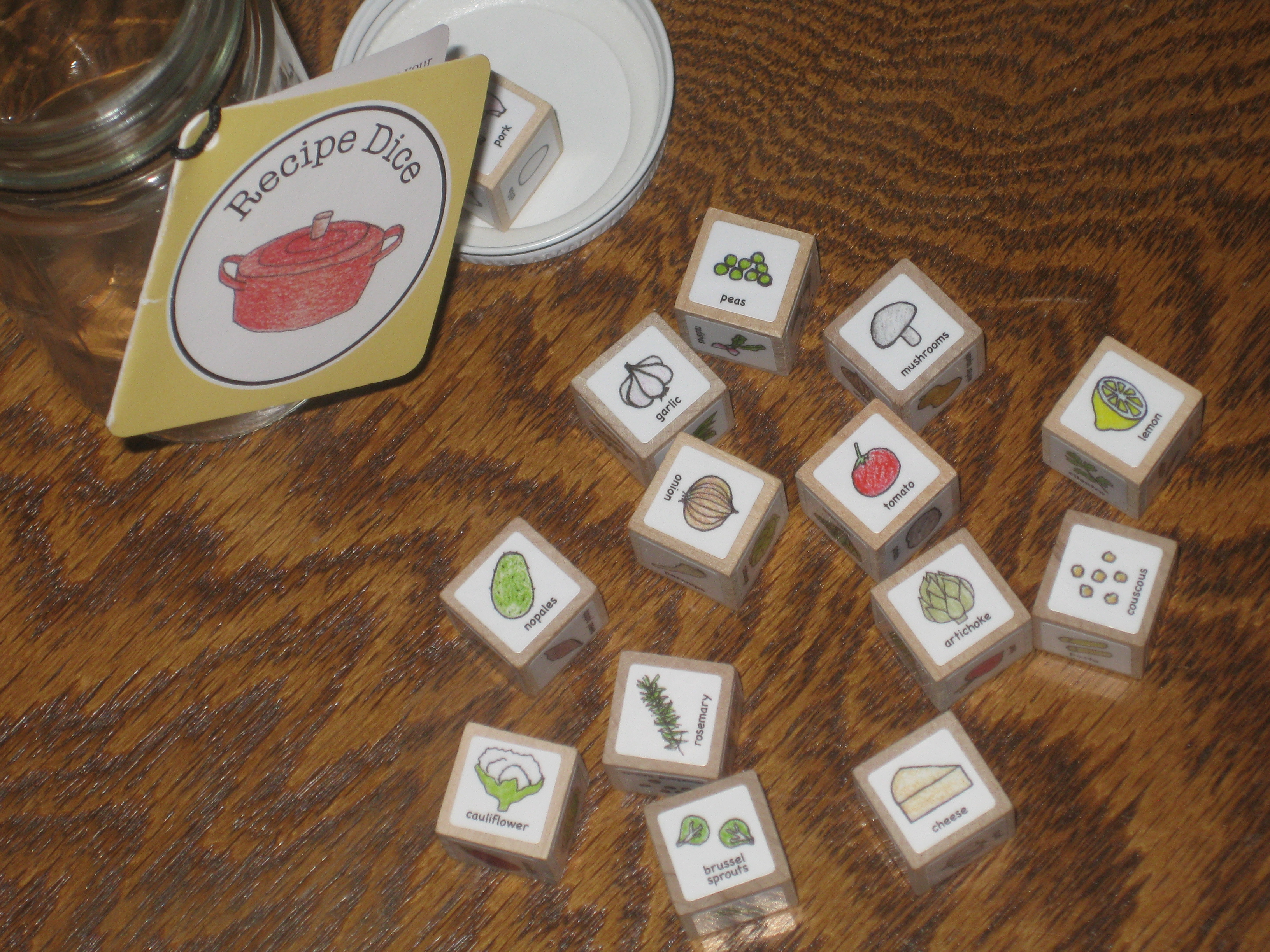
recipe diceAh, the cruelty of early spring, when the skies are gray and the produce selection is still scarce. The season has left me in a decided creativity slump in the cooking department. So it was high time that I broke out the recipe dice from my friend Mignon, who cleverly managed to combine my love of food and nerdy games into a single Christmas gift. Here’s the concept: you roll fourteen dice, each with cute little pictures of ingredients on each side. You’re allowed to re-roll a certain number of them, but you’re supposed to try to use all the ingredients in a single meal.

Okay, let’s get this out of the way: I cheated. But only a little, I swear! I took out the meat die, which is legitimate for vegetarian play, I think. I also had just made a huge batch of cauliflower soup just a day or two before and staring at the cauliflower heads in the supermarket made me vaguely depressed, so I threw that one out, too, though under different circumstances, I think it could easily be added to the mélange recipe below. I would like to point out, however, that I used the other twelve dice, even though I rolled nopales on my re-roll, the equivalent of pulling a Q in Scrabble, and went to four grocery stores before I found them. Here are the ingredients I had to work with: artichokes, Brussels sprouts, cheese, cous-cous, garlic, lemon, mushrooms, nopales, onion, peas, rosemary and tomatoes.

The dice definitely got me to think outside the box. And I’ll probably make both of the recipes again (though probably not in the same meal). In case you’re having your own kitchen slump, here are the two recipes I came up with: Continue reading