Sorta Kinda Chinese Tea Series Entry Three: Taro Green Milk Tea (Redux)

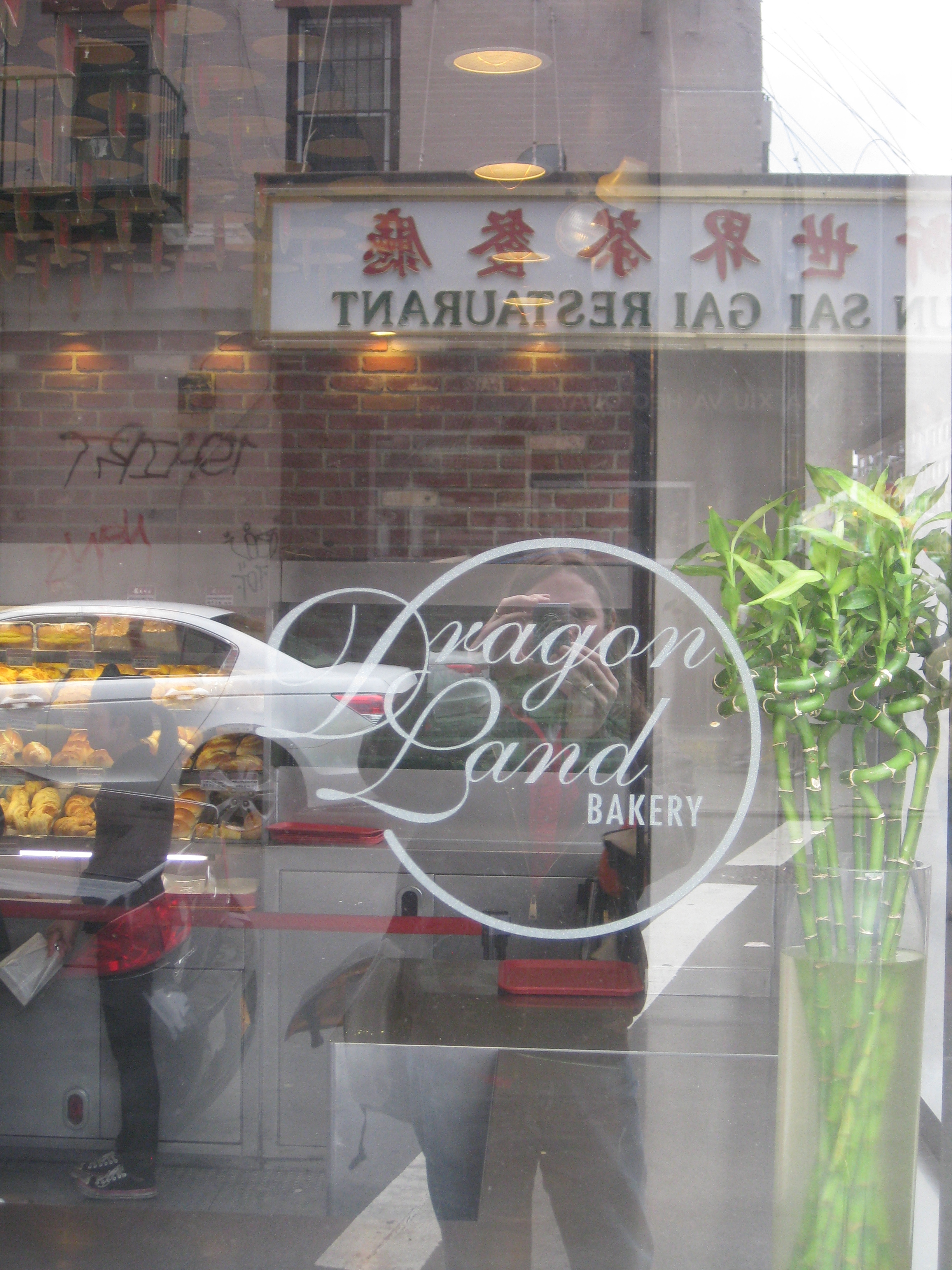
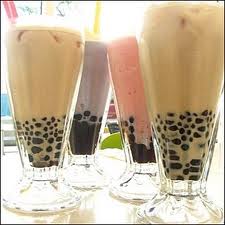
I decided to try Taro tea at the Dragon Land Bakery.  I don’t know what it is about Taro.  I’m afraid it really might be as simple as the color.  But I felt the need to give it a shot beyond the root-canal version of the flavor as I endured it at CoCo a few weeks back.  So I bought a Taro Green Milk Tea.

And it was a whole new world.  Whereas CoCo’s tea was an assault, Dragon Land’s was almost velvety and just a little sweet, almost the taste equivalent of the texture you get when you let butter mints dissolve on your tongue, if that makes any sense.  And while CoCoc’s taro was a Continue reading

Easter Peeps and Mucilaginous Root Pulp

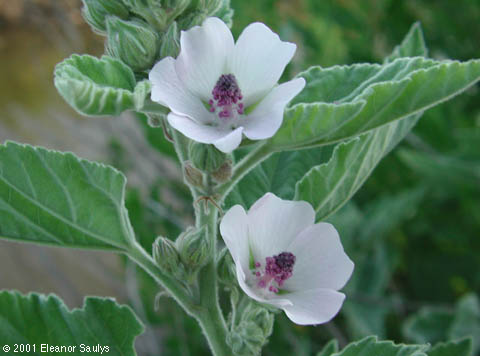
marsh mallow

Althaea officinalis (or Mother of All Peeps)

Ah, the glorious Easter baskets of yore, that would come to the rescue just as last year’s Halloween candy had dwindled to nothing but Bit O’ Honeys! Among the jellybeans and Cadbury eggs there was always at least one box of Peeps, those Technicolor chicken- and rabbit-shaped marshmallows. In my house, however, they were always destined to play second fiddle to the painstakingly nibbled chocolate rabbit and they usually ossified into little chick-shaped rocks before I got around to eating them. It wasn’t until adulthood that I began to understand the beauty of the Peep.

There are a lot of Peep haters out there, my husband among them, probably because they taste like nothing, really, beyond enamel-destroying sweet, but their origins are arguably the most noble of any Easter basket classic. While poking around on FoodTimeline.org, I noticed that marshmallows shared the same origin date, 2000 B.C., as apples. Yes, you read that correctly. Proto-peeps are as old as apples! (I’m not too clear, actually, if 2000 B.C. is the date of the first wild apple or merely the first time apples were cultivated by humans for food, but still…).

Marshmallows are called such because of the marsh mallow, a wild plant that ancient people ate in many forms. You can eat the flowers, you can eat the greens like lettuce or you can boil the roots to obtain a “mucilaginous substance.” This substance was used as a cough remedy, but there’s also evidence that as early as 2000 B.C., Egyptians were mixing the mallow mucous with honey to make a sweet confection, reserved for royalty and gods. So put that in your pipe and smoke it, you Peep haters. Continue reading

Name that Jelly Belly

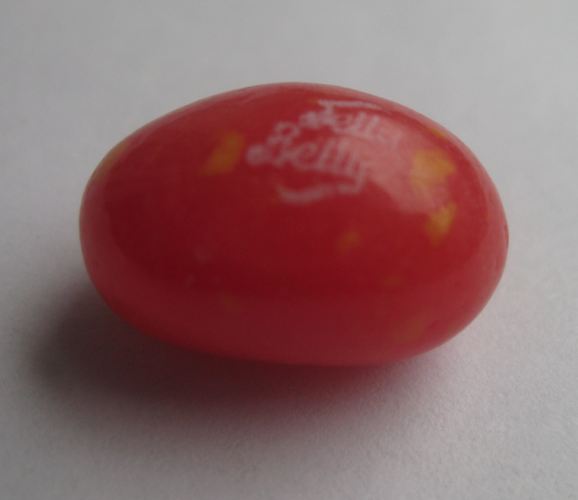
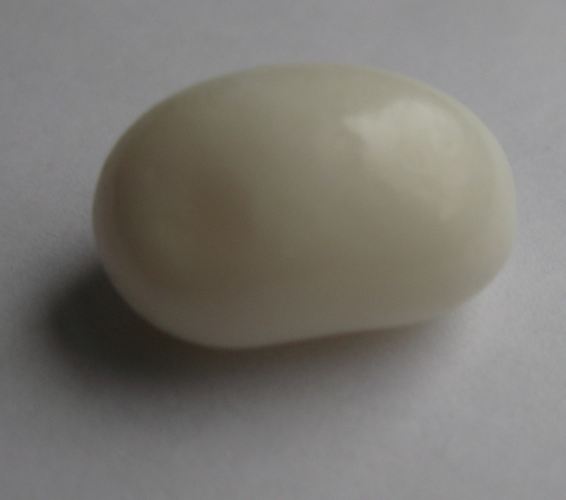
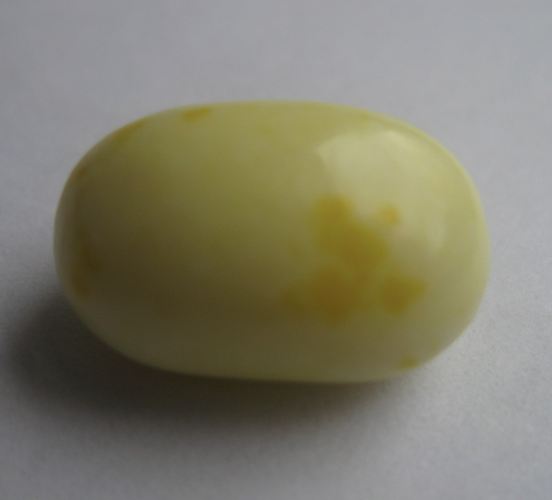
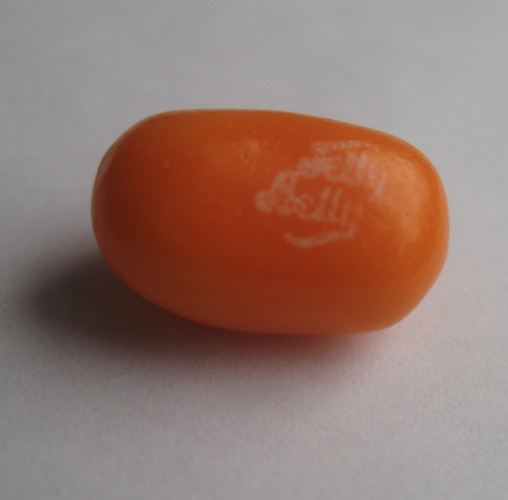
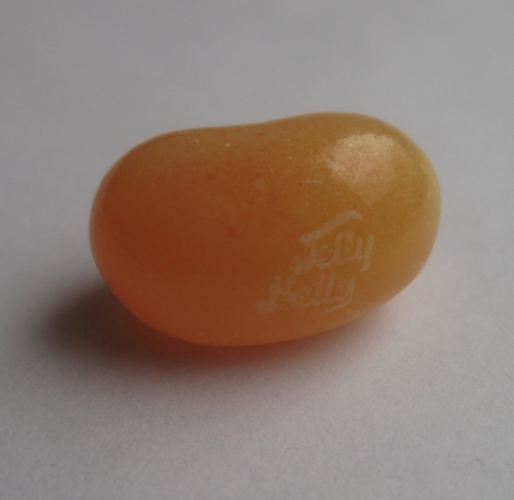
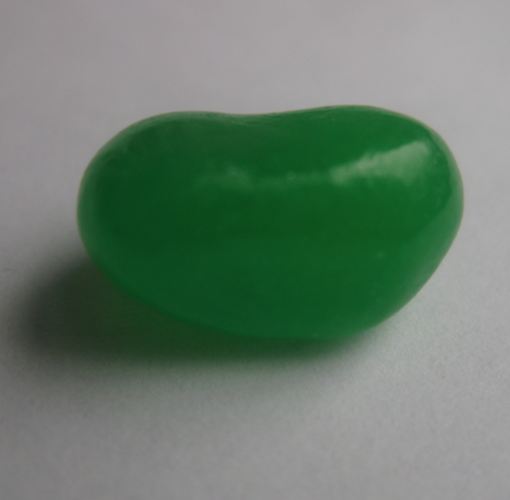
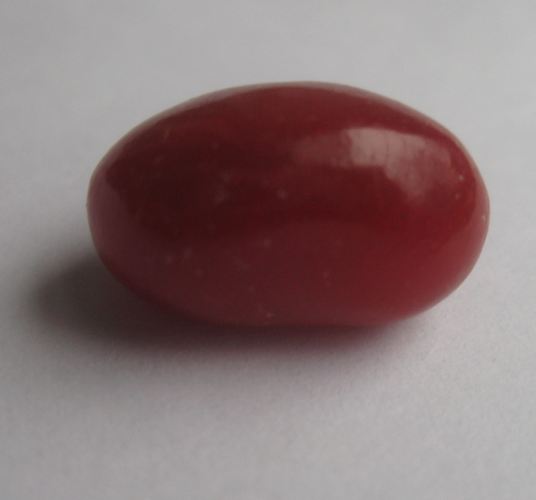
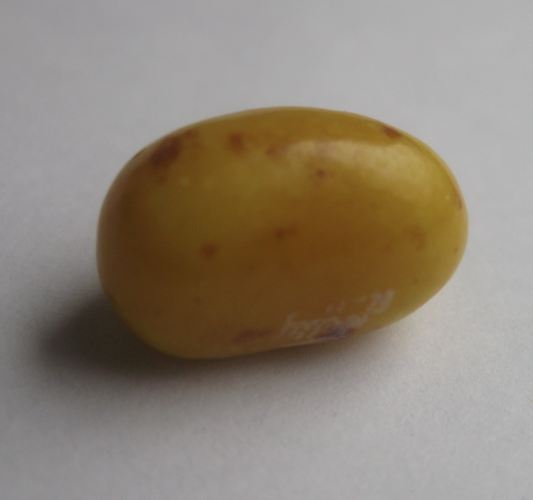
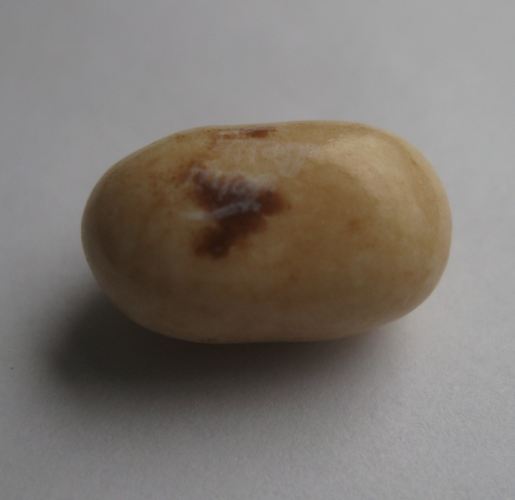
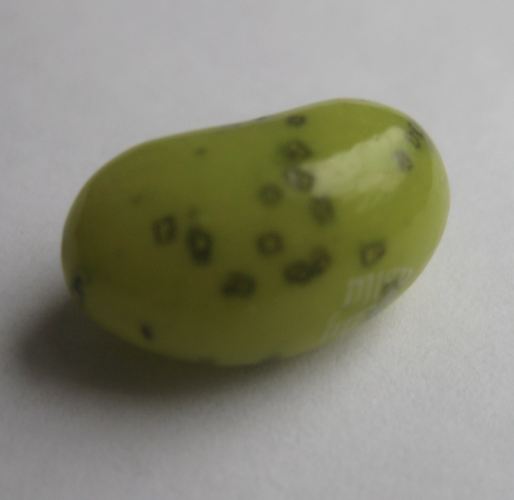
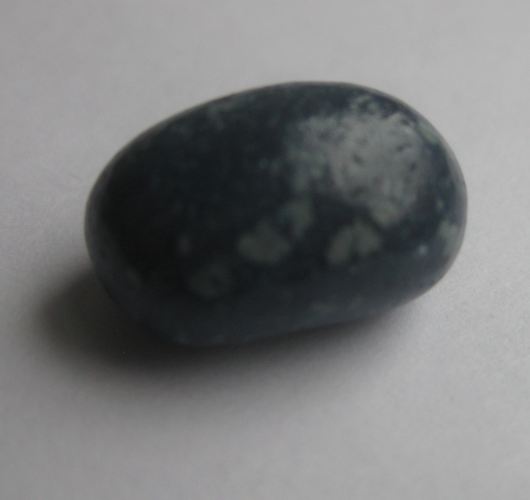
Though the snow is falling in New York today, Easter is nigh, and it’s time to brush up on your jellybean trivia before a giant rabbit invades your house to leave you candy. My personal favorites are Jelly Belly brand beans because they come in oh-so-many flavors. Anyone can distinguish between them by taste, but can you tell them apart by sight alone? See how many of these signature flavors you can guess. If you get ten or more Bellies right, consider yourself holiday-ready.

Note for serious Jelly Belly fans: These are all part of the classic 50 flavors, not the off-shoot mixes.

Don’t follow the link until you’re ready for the answers… Continue reading

Dead Man Gnawing: The Nature of Beignets and the Precision of Vincent Drake (1st Century & 21st Century, A.D.)

If you read our last Grub Match, you will have noticed repeated references to one Vincent Drake.  Vince just might be the best cook I know (after my mom, obviously).  He definitely embraces a holistic definition of “gastronome” like none of my other friends.  He seems almost as focused on the proper process of making a dish as he is on the actual end result.  He actually uses a jigger to measure liquor.  I haven’t seen anyone do that since my grandfather died.

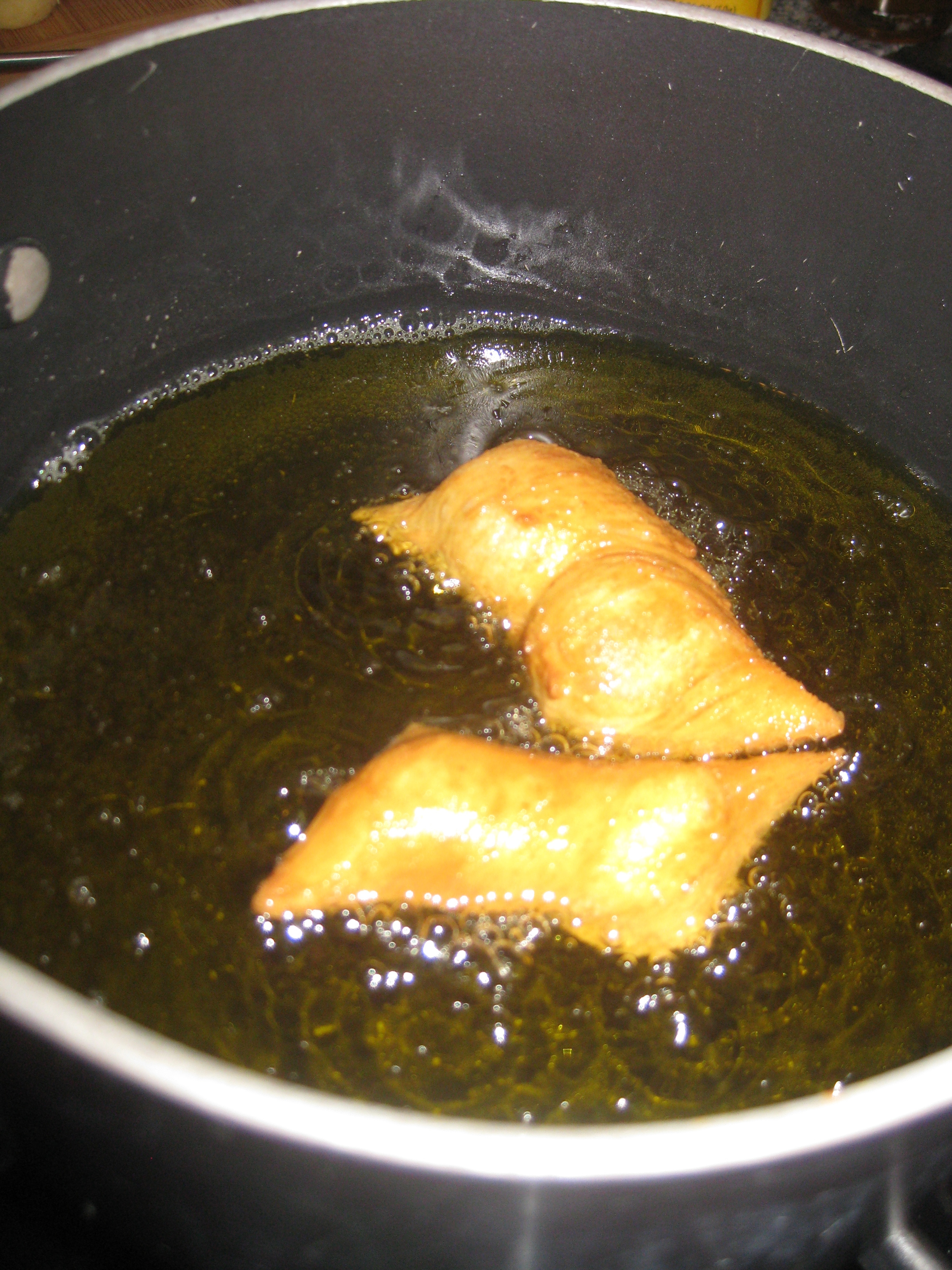
Though Vince also happens to be one of the kindest people I know, he did not hesitate in his secret bid to steal the Grub Match crown for himself by replacing PitchKnives’ typical bar-based final debate with a mega brunch.  That brunch included brioche French toast, and he ended up, after making four loaves, with enough leftover dough for probably two more.  Enter: beignets.

Brioche is a viennoiseries, the French term for baked goods that use choux pastry dough, dough that is yeast-based but that includes extra butter, eggs, etc.  Beignets are viennoiseries as well, and V simply decided to reclassify the brioche choux pastry as beignet choux pastry and go to town. Continue reading

Laura Ingalls Wilder, Where Did I Go Wrong?

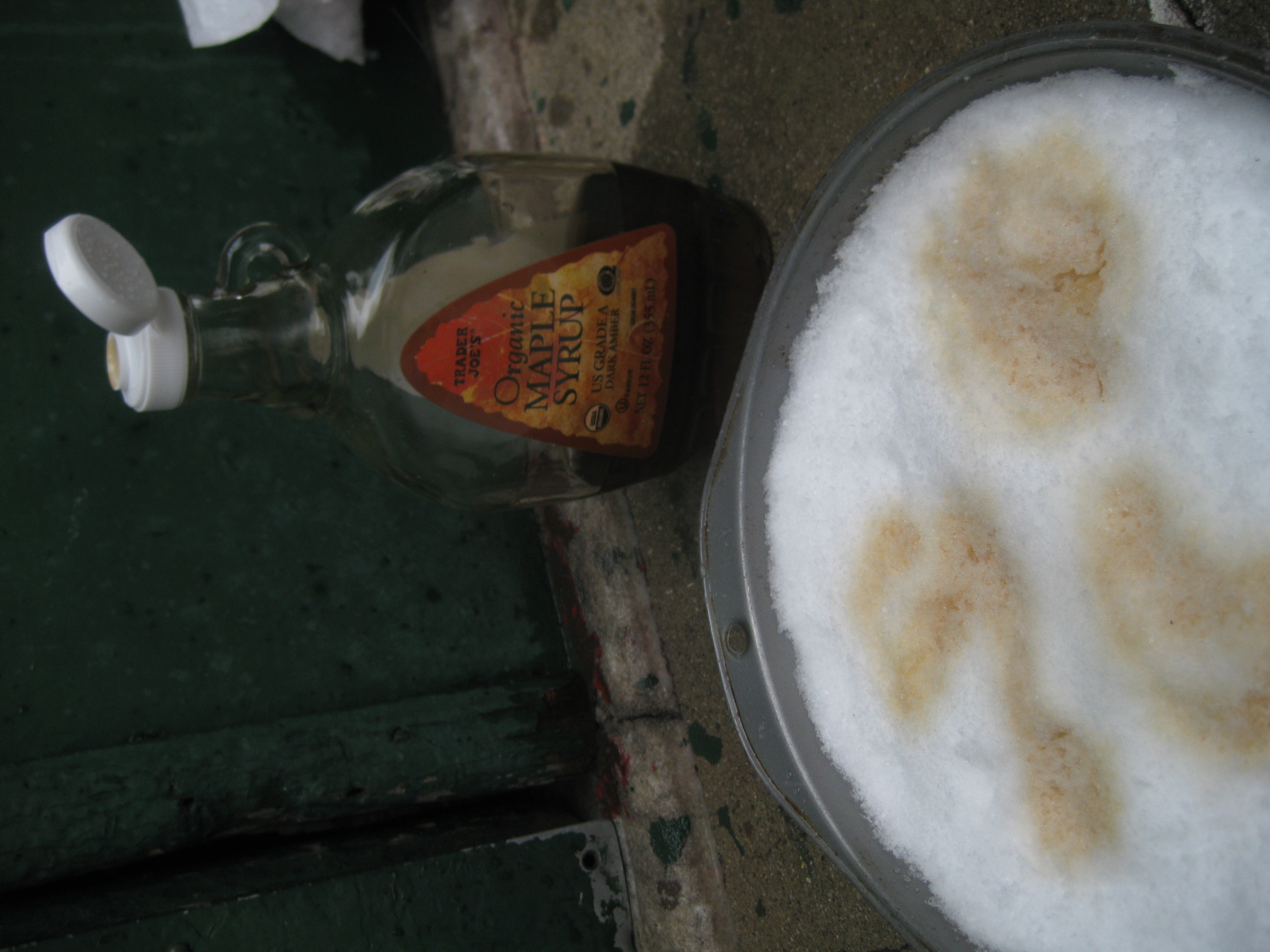
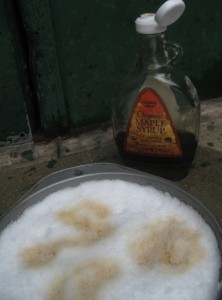
syrup and snowThis time, I’m afraid, there’s simply no hope of convincing the neighbors that I’m not completely insane. This morning at 7 a.m., I was outside in the swirling snow, shaking snow from a shrub into a cake pan, a bottle of maple syrup clamped tightly in one armpit. I am thirty-one years old, but the vestiges of my Little House on the Prairie fetish are still on display for everyone on my block to see.

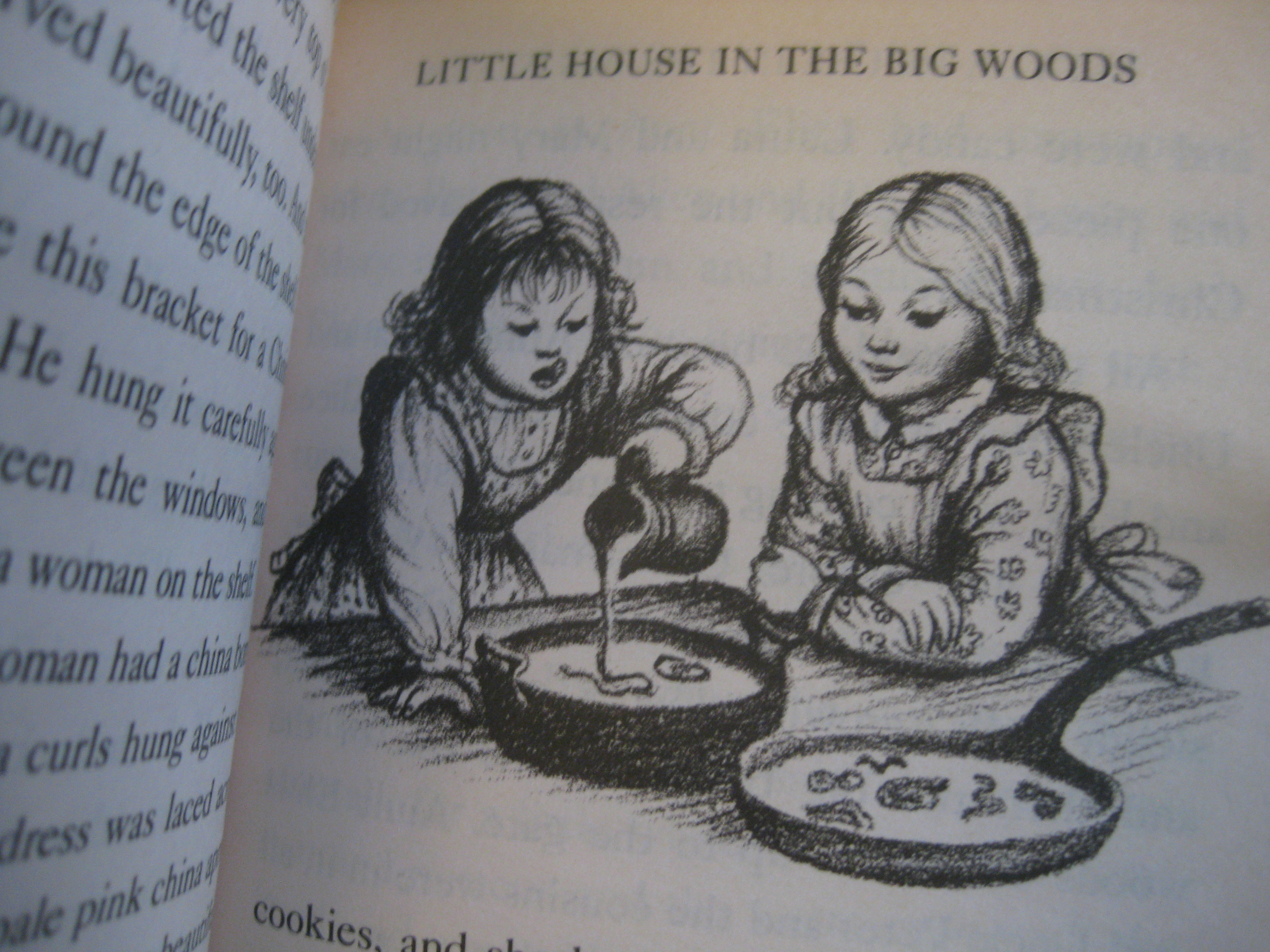
When I was very young, my sister read the entire Little House series out loud to me, and man, did I love it. Sure, Mary was kind of a bore, but Laura was clever and charming and brave—all things that wee Shannon aspired to be. And I was enthralled with the idea of pioneer life. If my family ever had to move into a sod house for some reason, I was prepared to milk a cow, knit some mittens, and whip up some corn pone in order to help us through the long winter. I went so far as to insist that my parents buy me the Little House on the Prairie Cookbook, which explained how to make delicious treats like hardtack.
Laura and MaryFast forward to a few weeks ago, when New York was on the cusp of getting its first real snowstorm of the season; a scene from the first Little House book came back to me in a flash. Hadn’t Laura made maple candy by dripping syrup on fresh snow? Wouldn’t it be a hoot to do it myself? Alas, the timing of that storm was all wrong, and by the time I was out and about the next morning, it had turned to rain and slush. So this time, when I woke up to a couple of inches, I was determined to make it happen. Mind you, I haven’t read the book in question, Little House in the Big Woods, in well over two decades and my copy of the cookbook is probably still in a crate somewhere in my parents’ house, but as I remembered it, they just packed some snow in a pan, drizzled syrup over it in snazzy designs and—Voila! Candy!

In actuality, this is not what happens when you put maple syrup on snow. Continue reading

Sorta Kinda Chinese Tea Series Entry Two: Sesame Black

I can’t say with Gospel certainty (let’s stop and laugh at that for a second…) if sesame black tea predates the bubble tea I wrote about last week.  But I suspect it does.  We were eating sesame seeds at least 5,050 years ago.  The Assyrian gods celebrated their Creation by drinking sesame wine.

So sesame black tea with milk needs no gimmick like gelatinous bubbles or Rainbow Brite-colored mega straws!  No, it can be mixed up in a Chinatown bakery, in particular this morning the Dragon Land Bakery across from the perma-shuttered and dragon-topped NYC tourist booth on Canal Street.  The woman behind the counter spoons some of the black sesame tea powder (available on Amazon; who knew?) into my cup, fills the cup with hot water and milk, and drops in a Hong Kong Style-brand Ceylon tea bag.  The exchange takes some miming, fruitlessly precise articulation, and one mistake, but the two of us get the job done.

I take my seat at “Tiny Dancer” replaces “Grease” over the radio.  Everyone else here is speaking, reading, and looking Chinese.  They’re also middle aged or older.  Have all the young people turned completely to the novelty tea shops?  Am I into an old-person’s tea? Continue reading

A Fair Fight?: Not-So-Fun Facts from “A Food Designed to Addict”

scooby-snackI’m not sure anyone who loves to eat as much as I do can properly call herself a health nut. I did, after all, write a wistful tribute to Dairy Queen Blizzards on this blog just a couple of weeks ago. And I do have a deep belief in free will and the necessity of people taking responsibility for their own actions. (When I got called for jury duty on a personal injury lawsuit, the corporate defense attorney found me delightfully amusing before the plaintiff’s lawyer dismissed me.) Those two facts combined mean that I often have mixed feelings in the junk food debate. Yes, I like Cheez-Its, but I don’t eat them every day, and that kind of restraint doesn’t feel all that difficult. So should we really be able to hold food companies responsible for the obesity epidemic?

Well…actually, maybe we should, at least partly. A recent article in the New York Times magazine by Michael Moss makes a compelling case that the public doesn’t stand much of a chance against the unhealthy foods that the junk food kings are pushing. Really, you should just go read the actual article right now. But for the record, here are the tidbits that I found most interesting…and disturbing:

The Bliss Point
Any Malcolm Gladwell fans out there will already know about Howard Moskowitz, the guy who revolutionized the food market by testing in excruciating detail every possible permutation of a product (61 versions of Vanilla Cherry Dr. Pepper, say, to find the perfect balance of vanilla and cherry and, um, pepper-ness). He calls that balance the “bliss point,” and he finds it through surveying thousands of taste testers and crunching the numbers across dozens of factors. Which is all rather fascinating, but here’s the nagging thought I couldn’t get out of my head as I read about his process: can you think of anything that sounds less like cooking? Continue reading

What Will Arizona Eat?

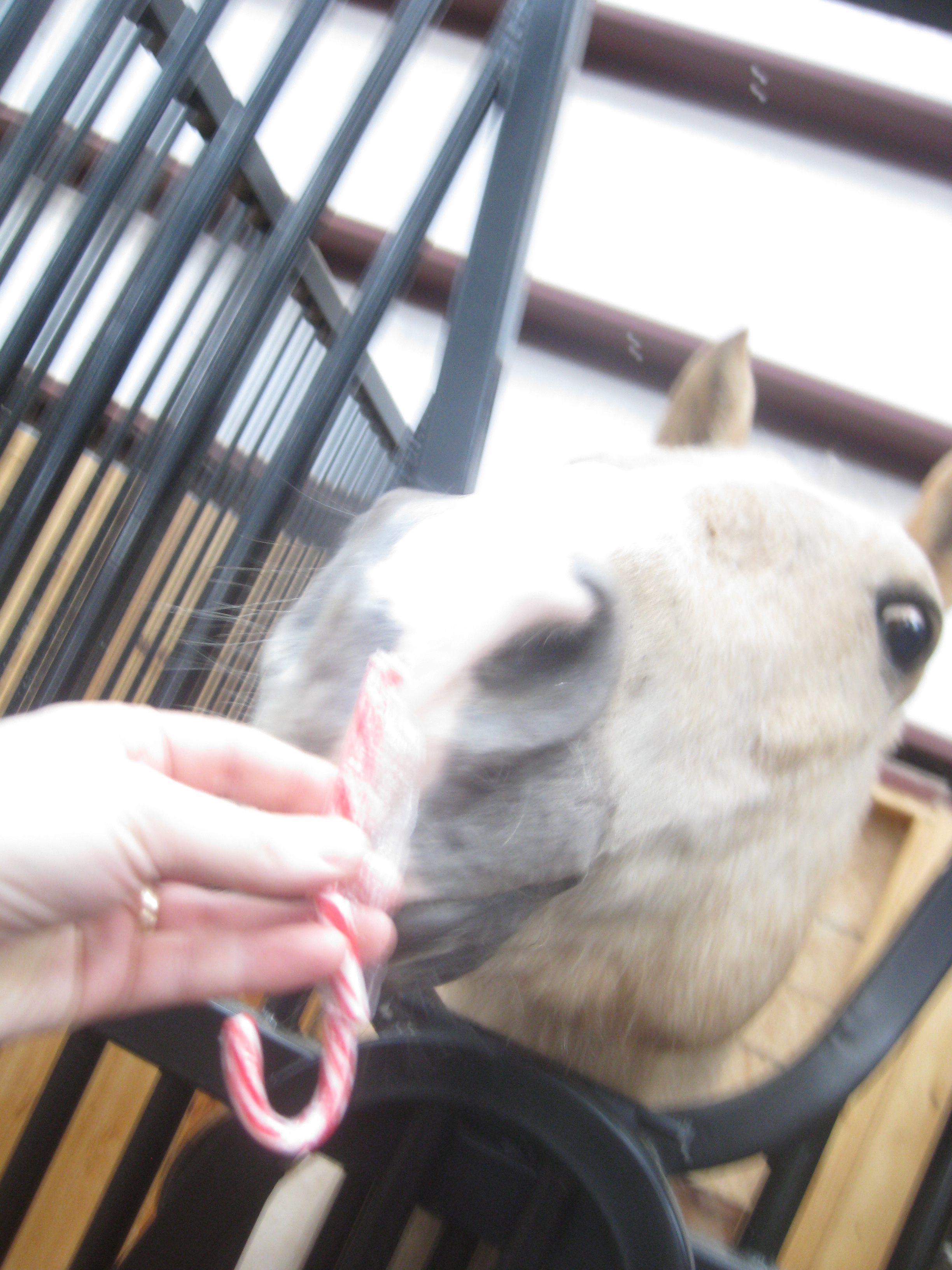
Because Shannon is badass, she bought me horseback riding lessons as a combined Christmas-birthday gift.

I love horses.

I love them with something approaching the ardor of an 8-year-old girl.

You spend time with horses and you realize that they have a connection to humans that no other animals save dogs can claim.  The history of their existence is inextricably tied up with ours, and you can sense that when around them.  Learning to work with a horse can open a window into the ways our species is and has been connected to the natural world all around us, a window all the more important given how rapidly we are burying our sense of that integration under bells and whistles and hustle, hustle, hustle.

I wanted some of that, and Shannon hooked me up.

And soon I found myself hooking up the horses. Continue reading

Sorta Kinda Chinese Tea Series Entry One: Taro

I’m not sure how far bubble tea has made it out of our big cities.  In case it hasn’t made it to your locality: bubble tea, invented in Taiwan in the ‘80s, is tea (sometimes kinda maybe) that is filled with tapioca balls, which are little gelatinous spheres approximately a quarter inch in diameter.  Bubble tea is thus usually served, whether hot or cold, with oversized straws that can accommodate the “bubbles.”  These straws are typically whimsical shades of purple or pink or green.  The cups are frequently adorned with cartoon creatures that defy classification except to say that, by virtue of including features like a single eye or a blob shape or the power to bounce and blink without the use of any limbs, they are distinctly Contemporary Asian.  The only Western cartoon counterpart I can think of is the blob that used to bounce unhappily beneath a rain cloud in that Zoloft commercial.

Bubble tea, in short, is meant to be fun.  It is to tea what a Frappaccino is to coffee.

And it is just one kind of many tea drinks I have discovered living in a city with a large East Asian population.  Bubble tea seems to frequently contains no real tea.  Other “tea” drinks served either at tea shops or Chinese bakeries contain only milk or something called “creme” or water mixed with assorted powders the color of Willy Wonka products.

One of my favorites is sesame black milk tea.  It involves steeping a black tea bag in a cup of hot water and milk and stirring in some kind of magic sesame powder.  I had that again the other day while eating a Chinese cream bun that immediately made me feel as if I had swallowed half of a Macy’s Thanksgiving Day Parade balloon. Continue reading